
This article contains affiliate links to Genki. If you sign up through them, Start Loaded may earn a commission at no extra cost to you. I only recommend cover I use myself.
When a sea urchin put me in a hospital in Indonesia, the worst part was not the pain. It was lying in a dirty room, knowing there was a better hospital on another island, and not being able to afford the transport to get there. My insurance had run out. I wrote about it in the lesson I will never forget.
Getting you to the right hospital, and then home, is the part of travel insurance people think about least and need most. Here is how medical repatriation works.
What medical repatriation means
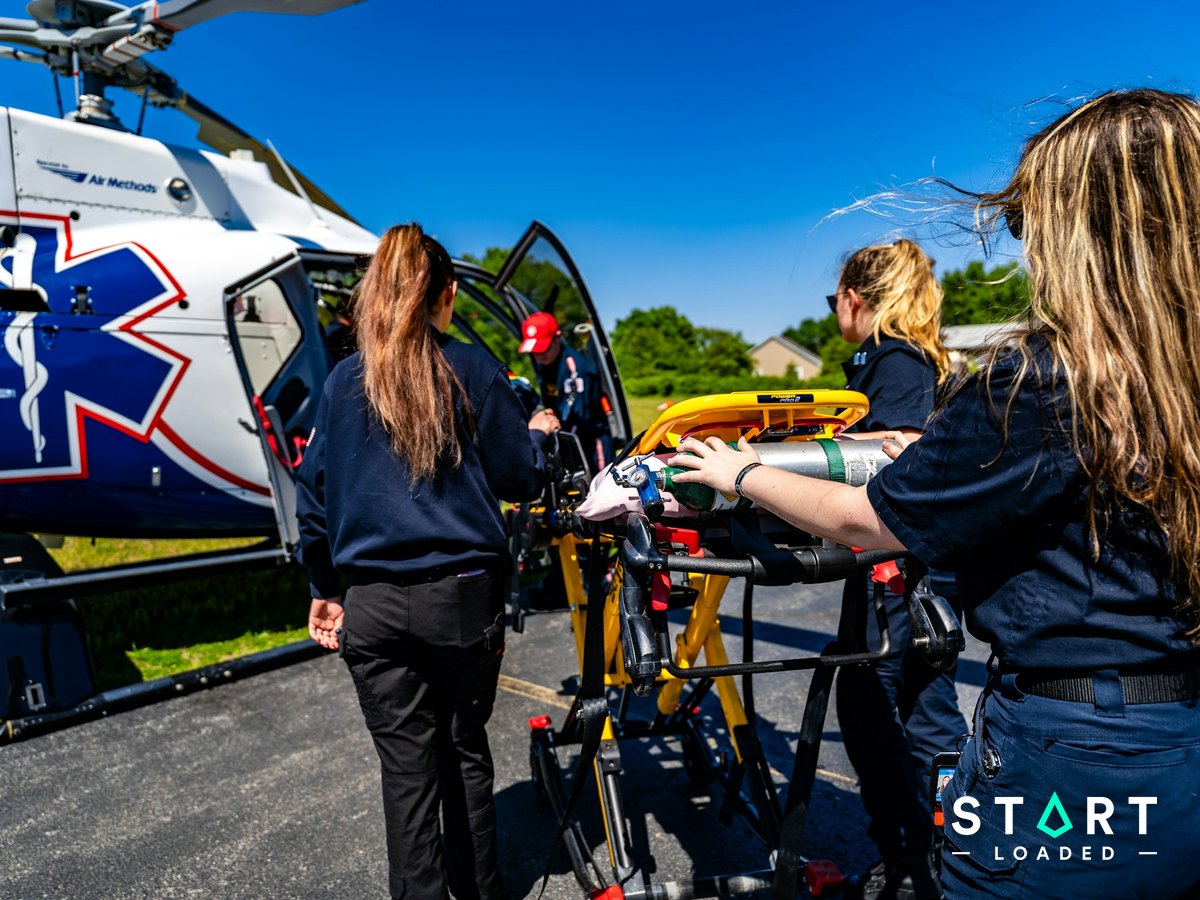
Repatriation is transport back to your home country for medical reasons. It can be a normal flight with a nurse beside you, a stretcher across several economy seats, or a dedicated air ambulance with a medical crew. After a death abroad, it also means bringing someone’s body home.
It is different from a transfer. A transfer moves you to a better hospital in the same country or region. Both should be in your policy.
When insurers fly you home
Insurers repatriate you when it is medically necessary, which usually means one of these:
- The local hospital cannot treat your condition properly.
- You are stable but need weeks of recovery or rehabilitation, which travel policies rarely cover abroad.
- Staying would cost far more than flying you home.
A doctor and the insurer’s assistance team decide together whether you are fit to fly and how. Good policies also let you refuse. If you would rather recover where you are, you should not be forced onto a plane.
What it costs
The UK government foreign travel insurance guidance gives examples of what you pay without cover: more than £25,000 for a broken leg in Spain with possible repatriation, more than £80,000 after a quad bike accident in Greece, and more than £150,000 for a hospital stay in the USA. The flight home is often the biggest line on the bill.
UK readers sometimes assume the free Global Health Insurance Card covers this. It gives access to state healthcare in Europe, and the NHS is clear that it is not a replacement for travel insurance.
How Genki Traveler handles repatriation
I use Genki for my own cover. Under the current Genki Traveler conditions:
- You are covered for a medically necessary return to your home country, taking into account your wishes, your need for care, what is available locally and the cost.
- It includes any suitable vehicle, from an ambulance to a specialised worldwide air ambulance.
- You are not forced to return. You can choose to stay abroad.
- The 24 hour emergency assistance must manage it. They also monitor your hospital care and move you to another hospital if the first one is not good enough. That is the call I could not make with the urchin.
- If you are in a life threatening emergency, one family member can fly out to you, with a simple place to stay, up to €5,000 per case with prior approval.
- Your cover ends when you arrive at the destination, and costs up to 30 days after a policy ends normally are still covered if the case started before.
- Rehabilitation after an illness or injury is not covered, apart from up to 6 prescribed physiotherapy sessions per case. That is when going home makes sense.
Prices depend on your age, start date and region. You can check the price of Genki Traveler in a few minutes.
Make it easy for them to find you
- Save your policy number and the assistance line offline, and share them with someone at home.
- Carry a note of your home address and your GP, so the team knows where home is.
- If you are admitted, have the hospital call the assistance line before anything else. My guide on what to do if you get sick or injured abroad covers the first steps.
- Keep every document for the claim. See how to claim on travel insurance.
Nobody plans to fly home on a stretcher
I did not plan to argue with doctors about an epidural either. Buy cover that takes you to the right hospital and, if it comes to it, home. If the USA is on your route, read travel insurance for the USA, where the bills are biggest. For everything else, start with my guide to insurance for digital nomads.
Photo by Jacob Narkiewicz on Unsplash.

travelling soon?
Genki Traveler: Health Insurance for Nomads
Worldwide cover for unexpected illness and injury for up to 12 months. Sign up in minutes, even if you are already travelling.
P.S. I use Genki myself. This is an affiliate link, so I may earn a small commission at no extra cost to you.