
This article contains affiliate links to Genki. If you sign up through them, Start Loaded may earn a commission at no extra cost to you. I only recommend cover I use myself.
Learning to surf was one of my biggest dreams. I finally did it while living in Lombok, Indonesia, and I wrote about the life lessons surfing taught me. Since then I have surfed in Nicaragua, the Philippines and Mundaka in Spain.
Surfing also taught me something less romantic. Reefs cut, urchins sting and boards hit you in the head. The worst medical bill I ever paid myself came from a sea urchin, at a time when my insurance had run out. So before your next surf trip, make sure your travel insurance actually covers surfing.
Why surfers need to read the small print
Many travel policies treat surfing as an extra. Some cover it as standard, some only if you pay more, and some exclude certain conditions. If the policy does not mention surfing at all, ask the insurer before you buy. The worst time to find out is in a clinic with your foot full of spines.
What to check in your policy
- Surfing is named as covered. Look for the sports and activities section. Recreational surfing should be listed clearly.
- The surfing exclusions. Big wave surfing, surfing towed in by a jet ski, competitions and surfing in storms are common exclusions. Make sure they do not match how you surf.
- Professional surfing. If you get paid or sponsored to surf, most travel policies will not cover you.
- Ambulance and evacuation. Many surf spots are far from good hospitals. Check that emergency transport is included, including by boat or air.
- Dental cover after an accident. A board to the face can mean broken teeth. Some policies include emergency dental care after an accident.
- The deductible. A reef cut that needs cleaning and antibiotics can be cheaper than your excess. It is good to know that number in advance.
- Your board is a separate question. Health insurance pays for you, not your equipment. If your board is worth a lot, look at gear or travel insurance that covers belongings.
Common surf injuries and what to do
Reef cuts
Coral cuts look small and get infected fast in warm, humid places. Clean them properly with fresh water and antiseptic, keep them covered and see a doctor if the area gets red, hot or swollen.
Sea urchin spines
Spines often break off under the skin. Soaking the area in hot water can ease the pain. The NHS has clear advice on treating stings from sea creatures, including when to get medical help. If spines are deep or near a joint, see a doctor rather than digging them out yourself.
Head knocks and cuts from fins
Get any head injury checked, especially if you feel dizzy or confused afterwards. Deep cuts from fins often need stitches, and stitches are much easier to deal with when you are insured.
How Genki Traveler treats surfing
I use Genki for my own cover. According to the current Genki Traveler insurance conditions:
- Surfing is covered, except for big wave surfing, surfing towed in by a jet ski and surfing in extreme weather conditions.
- Professional sports, where you are regularly paid, are not covered.
- Ambulance transport to the nearest suitable hospital is covered in a medical emergency.
- Emergency dental care after an accident is covered up to €1,000 per case.
- Up to 6 prescribed physiotherapy sessions are covered per case.
- You pay the first €50 of each outpatient case. There is no deductible for hospital stays.
It does not cover your board, and it is health insurance for trips of up to 12 months. If that fits your surf trip, you can check the price for your age on Genki.
Paddle out covered
Good surf trips are about patience, respect for the ocean and coming home in one piece. Sort your insurance before you book the boat to the break. For a wider view of the options, read my guide to insurance for digital nomads, and save my checklist on what to do if you get sick or injured abroad.
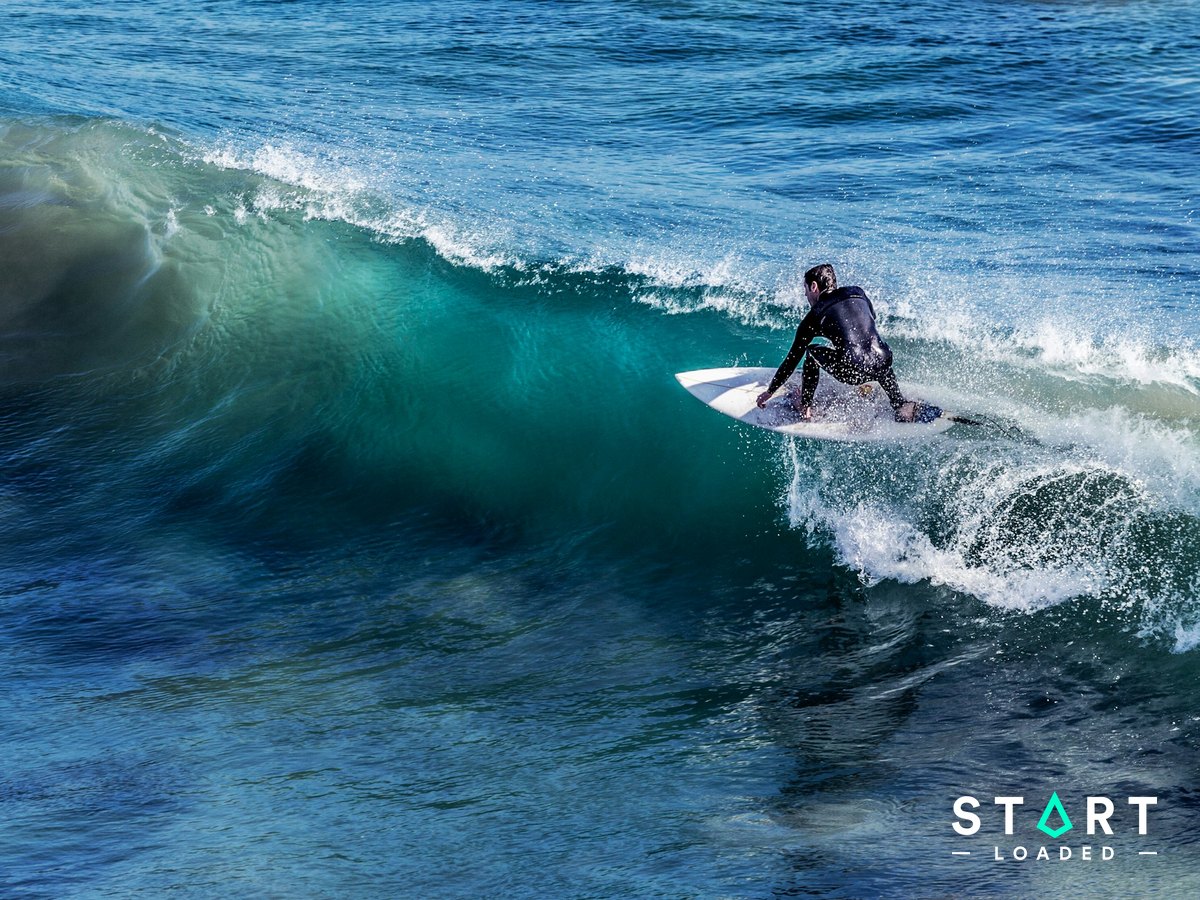
Photo by Vladimir Kudinov on Unsplash.

travelling soon?
Genki Traveler: Health Insurance for Nomads
Worldwide cover for unexpected illness and injury for up to 12 months. Sign up in minutes, even if you are already travelling.
P.S. I use Genki myself. This is an affiliate link, so I may earn a small commission at no extra cost to you.