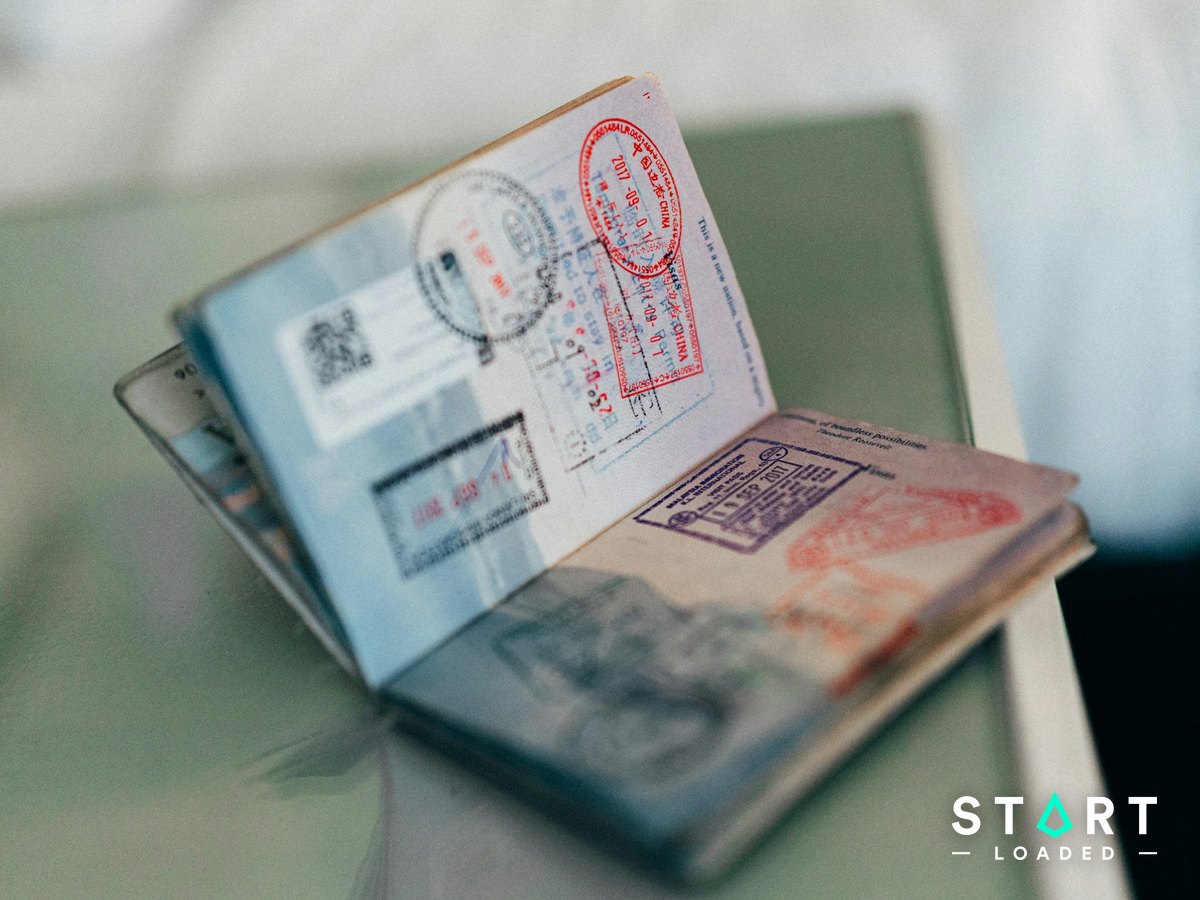

Ask any long term traveller and they will have a visa run story. A bus to the border, a stamp out, a stamp back in, a fresh 30 or 90 days.
It sounds simple. It is also one of the easiest ways to get turned away at a border. Here is what a visa run is, where it goes wrong and what to do instead.
What is a visa run?
A visa run means leaving a country before your permitted stay ends, then coming back in to start a new stay. Some people cross a land border and return the same day. Others fly somewhere cheap for a weekend.
Whether it works depends entirely on the rules of the country and on the officer at the border. A new stamp is never guaranteed.
Why visa runs fail
- Shared limits. Some countries count your days together with their neighbours.
- Limits per year. Some countries cap the total days you can spend there in a set period.
- Officer discretion. If your passport shows you live there on tourist stamps, you can be refused entry.
- Onward tickets. Some countries can refuse entry if you cannot show a ticket out.
Three real examples
The Schengen area
The UK government says British visitors can travel without a visa in the Schengen area for up to 90 days in any 180 day period. Those 90 days cover the whole area, not one country, and visits in the 180 days before you travel count towards them. A hop from Spain into Portugal does not reset your clock, and leaving for a week does not give you a fresh 90 days. Read the gov.uk Spain entry requirements.
Vietnam
British visitors can stay up to 45 days without a visa. For longer stays there is an evisa allowing up to 90 days and multiple entries. If you get that evisa while you are already in Vietnam, you must leave and come back in to start it. That is a visa run the rules actually ask for. The gov.uk Vietnam page has the details.
Indonesia
The visa on arrival gives 30 days and can be extended once for another 30, as long as you extend inside the first 30. Overstaying costs 1 million rupiah a day, according to gov.uk. Extending inside the country is often simpler than leaving and coming back.
Better options than a visa run
- Extend officially. Many countries let you extend your stay once, for a fee, if you apply in time.
- Get the right visa from the start. A longer tourist visa or a multiple entry visa saves a lot of stress.
- Look at remote worker visas. More countries now offer them for people paid from abroad. I wrote about Indonesia’s early plans in the Bali digital nomad visa.
- Plan a real trip. If you have to leave, make it worth it. Spend a few weeks somewhere new instead of a day at a border post.
A note on working
Tourist entry is for tourism. Many countries are still catching up with remote work, and the rules on working for clients abroad while on a tourist stay differ from place to place. Check the official immigration site of each country, and the visa types they offer for remote workers, before you plan to work there for months.
How to check the rules
Start with the gov.uk foreign travel advice pages if you travel on a British passport, then confirm with the country’s official immigration site or embassy. Forums and Facebook groups are useful for stories, never for rules. And check again before every trip. Rules change with little notice.
If you are planning a long stay, my guides to slow travel and finding a monthly rental abroad help you build it around the rules, not around a border run.
Photo by Kit (formerly ConvertKit) on Unsplash.

My free guide to leaving the office behind: the steps I took to build a business I can run from anywhere.
P.S. It is free. Read it on your next flight.