
This article contains affiliate links to Genki. If you sign up through them, Start Loaded may earn a commission at no extra cost to you. I only recommend cover I use myself.
Altitude sickness does not care how fit you are. It is caused by the thin air, not by your legs, and it can turn a dream trek into a helicopter ride. The helicopter is where your travel insurance gets interesting.
Here is what to know before you go high, and what your policy needs to say.
Who is at risk
The NHS altitude sickness page says it can happen anywhere above about 2,500 metres, and you are more likely to get it if you go up quickly. It lists Everest in Nepal, Kilimanjaro in Tanzania, parts of the Alps and La Paz in Bolivia as examples. Cusco, the Inca Trail and much of the Andes qualify too. The CDC travel advice puts the risk line at about 8,000 feet.
Symptoms and what to do
Symptoms usually start 6 to 10 hours after arriving at altitude: a headache, loss of appetite, feeling sick, tiredness, dizziness and poor sleep. The NHS advice is simple:
- Tell the people you are with, and rest at the same altitude until you feel better. Do not go higher.
- Painkillers and anti sickness medicine can ease the symptoms. They usually pass in one to three days.
- If you are not better after a day, or you get worse, go down 300 to 1,000 metres.
- Get medical help immediately if someone is confused, loses balance, is short of breath at rest, coughs up frothy or bloody spit, or is very hard to wake. These are signs of fluid on the brain or lungs and they can kill.
How to reduce the risk
- Go up slowly. The NHS says not to travel from below 1,200 metres to above 3,500 metres in one day, and to avoid flying straight into a high city if you can.
- Spend a few days below 2,500 metres before going higher, and take a rest day every three or four days above 3,000 metres.
- Above 3,000 metres, sleep no more than 500 metres higher than the night before.
- Drink enough water and skip the alcohol.
- If you have had altitude sickness before, or your itinerary is fast, talk to a GP or travel clinic. There are medicines that help prevent it.
What travel insurance needs to cover
- An altitude limit. Most policies cover hiking and trekking only up to a set height. Check it against the highest point of your route, not the start.
- Search and rescue. Finding you on a mountain is a different service from an ambulance, and many policies exclude it or sell it separately.
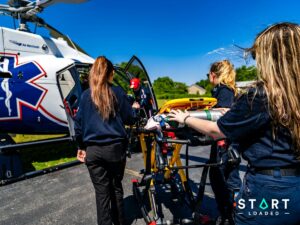
- Emergency transport. A helicopter from a remote valley to a hospital is the bill that ruins trips. Make sure ambulance transport includes air.
- Getting home. Serious cases need weeks of recovery. My guide to medical repatriation and travel insurance explains how that works.
How Genki Traveler covers trekking
I use Genki for my own cover. Under the current Genki Traveler conditions:
- Hiking, trekking and climbing are covered up to 4,000 metres. You must use the safety gear required or commonly recommended for your route.
- Glacier travel, routes that need crampons or ice axes, and climbing without a rope are not covered.
- Search and rescue is excluded. Ambulance transport to the nearest suitable hospital, including by air, is covered once you are found.
- Medically necessary repatriation to your home country is covered, including air ambulance.
Everest Base Camp and the summit of Kilimanjaro both sit well above 4,000 metres, so for those trips you need a specialist policy on top. For Cusco, the Inca Trail, most of the Alps and a huge part of the Andes, Genki Traveler fits. You can check the price of Genki Traveler in a few minutes.
Go high, go slowly
The best protection is patience. Give your body the days it needs, know the red flags, and carry a policy that matches the height of your route. If something does go wrong, follow my guide on what to do if you get sick or injured abroad.
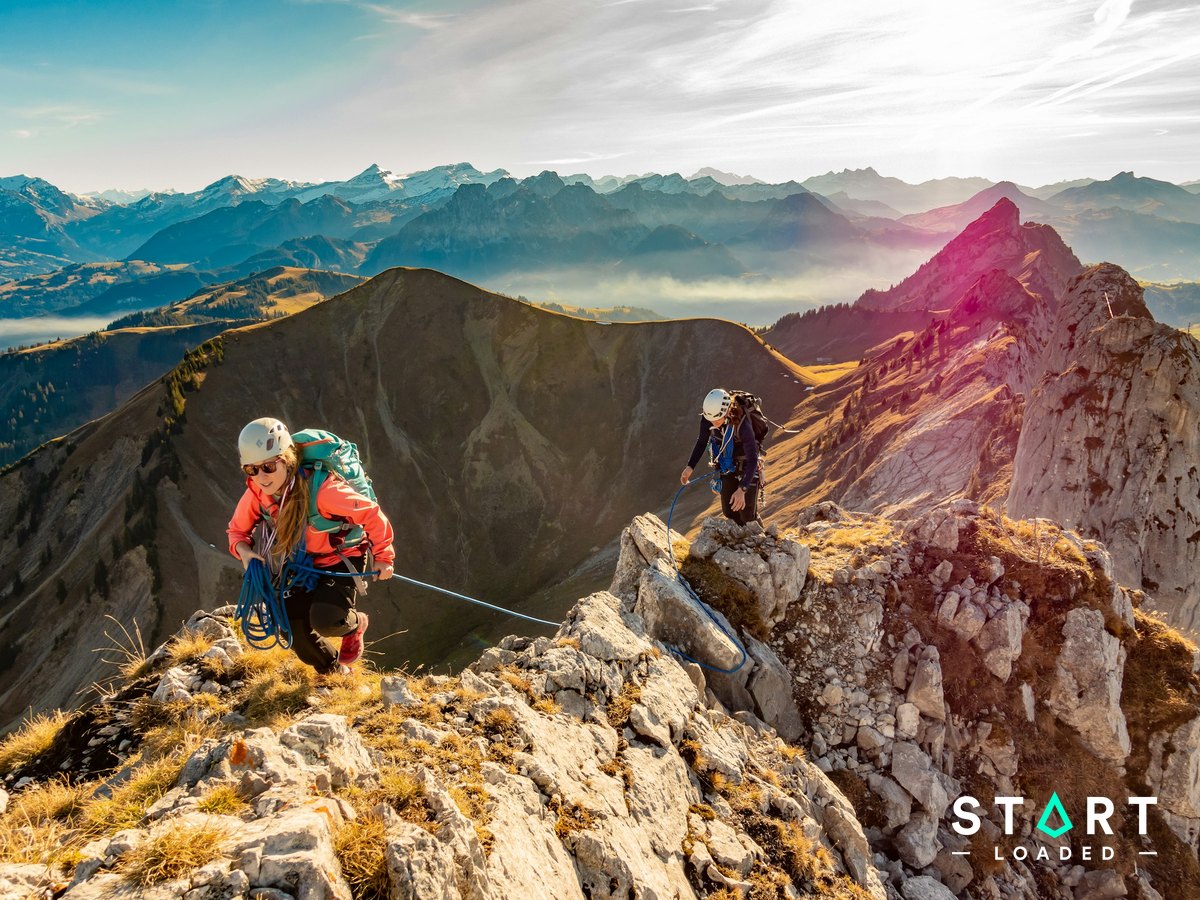
Photo by Sylvain Mauroux on Unsplash.
travelling soon?
Genki Traveler: Health Insurance for Nomads
Worldwide cover for unexpected illness and injury for up to 12 months. Sign up in minutes, even if you are already travelling.
P.S. I use Genki myself. This is an affiliate link, so I may earn a small commission at no extra cost to you.