
When I left London, my list was short. A plane ticket, a couple of jabs, a backpack and a home for my longboard. I had sold the only two things worth selling, a bicycle and a pair of speakers, and I owned fewer things than I ever had.
That is the secret of a good digital nomad packing list. It is not about what you bring. It is about what you can work with.
Start with your work, not your wardrobe
In the five mistakes people make when becoming a digital nomad I wrote that your tools are everything when you work on the road. You can buy a T shirt anywhere. You cannot always buy a good laptop charger on a small island.
Ask one question before you pack anything: what do I need to deliver great work for a client, from anywhere, for a whole month?
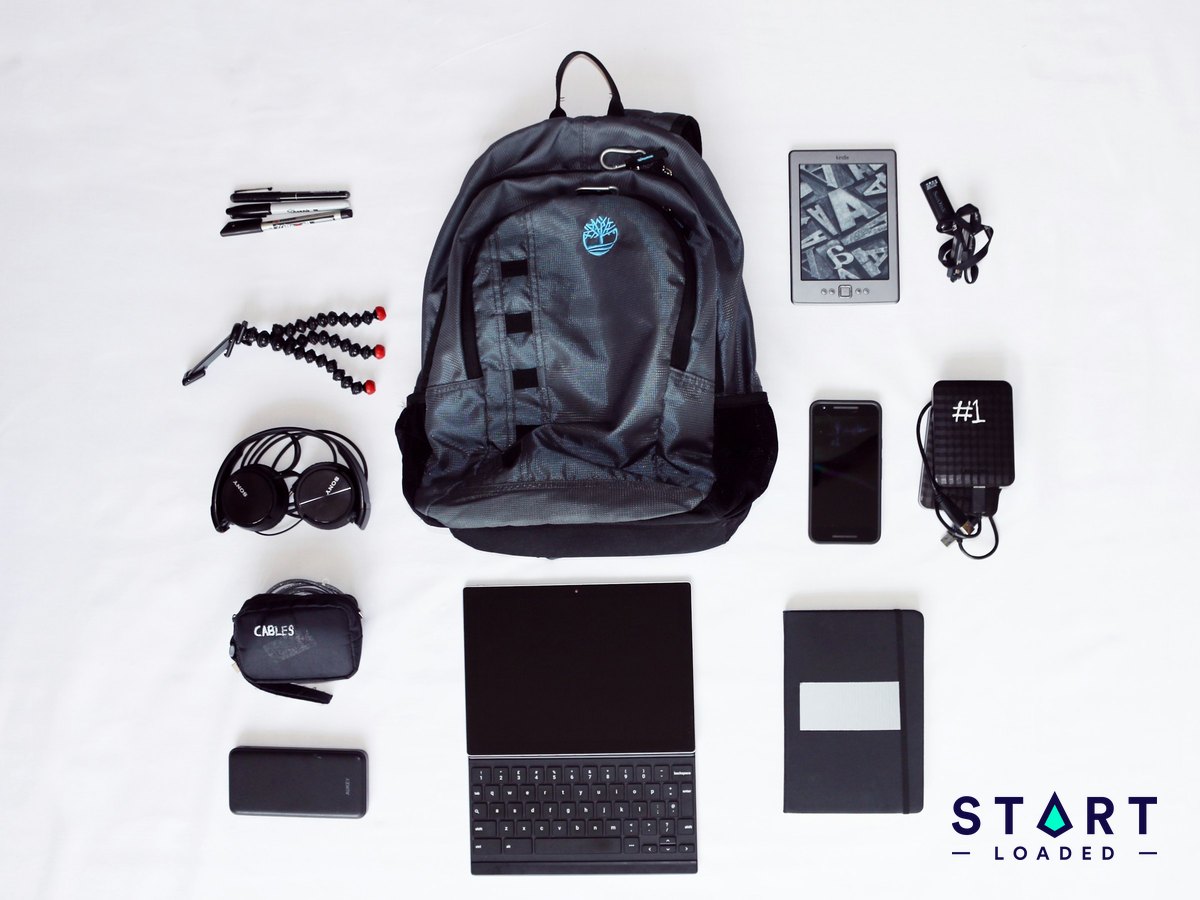
The work kit
- A laptop that is light, powerful and has great battery life. This is worth the investment. It will make all the difference to the way you work.
- A good phone. It is your camera, your map, your bank and your backup internet.
- Headphones with a microphone. Cafes and hostels are noisy. Clients should not hear the blender.
- A universal travel adapter and a short extension lead. Many cafes have one socket and three people who need it.
- A power bank. Enough to charge your phone twice when the power goes out.
- A portable drive or cloud storage. Back up your work every day. A stolen laptop should cost you money, not your clients.
If you are a photographer or a videographer, add your camera kit and spare batteries, and check the airline’s rules for carrying batteries before you fly.
The backup plan you can carry
Know what you will do if you get to the cafe and the wifi is down, or your laptop runs out of battery. That is a contingency plan, and some of it fits in your bag.
- An unlocked phone, so you can use a local SIM as a hotspot.
- Offline copies of the files you need this week.
- A list of client contacts saved somewhere other than your laptop.
My guide to digital nomad internet goes deeper on staying connected.
Documents, paper and digital
- A passport with at least six months left and blank pages. Many countries ask for both.
- Proof of an onward ticket, because some countries can refuse entry without one.
- Digital copies of your passport, insurance details and bank cards, stored securely online.
- Two bank cards from different banks, kept in different places.
Health basics
Book your jabs early. Some need more than one dose. TravelHealthPro lists the vaccines and health advice for each country. Pack a small first aid kit, any prescription medicine in its original box with a copy of the prescription, and sun cream if you are heading somewhere hot.
Sort your health cover before you go too. My guide to insurance for digital nomads explains what to look for when you will be away for months.
Clothes: less than you think
Pack for one week and plan to do laundry. Choose clothes that dry fast and work in more than one setting. Add one outfit that looks good on a video call. Everything else you can buy on the way, and you will want local clothes anyway.
What to leave behind
- Anything “just in case” that you have not used in a year.
- Heavy books. Read on your phone.
- Duplicate gadgets. One good device beats three average ones.
Life is simpler when you carry less. A light bag means you can move fast, and when you travel slowly you can always buy what you are missing.
Pack the tools, pack the backups and leave the rest. Then go and see what the road gives you.

My free guide to leaving the office behind: the steps I took to build a business I can run from anywhere.
P.S. It is free. Read it on your next flight.